
The HTC U12 Plus is now official following its tremendous amount of leaks in the past few weeks. HTC U12 Plus is the company’s latest flagship with “U” branding. This smartphone will be the only flagship by the company in 2018. The company says that U12 Plus is the “biggest and boldest flagship phone ever”. Let’s find out whether it lives up to the mark or not.
The most unique thing about this phone is that it features HTC’s pressure-sensitive tech for the side buttons, which are now fixed in place and provide haptic feedback instead of being mechanical like the front haptic feedback button of iPhone 7 and iPhone 8.
HTC U12 Plus first impressions:

HTC U12 Plus features a 6.1-inch massive QHD+ Super LCD with 6 Corning’s Gorilla Glass protection display with 18:9 aspect ratio. The resolution is 2880 x 1440 along with 537-pixel density. The smartphone comes with HDR 10, DCI-P3 and sRGB modes. The smartphone is powered by the latest Qualcomm Snapdragon 845 64 bit octa-core processor and has 6 GB of ram along with two storage options 64 GB and 128 GB internal storage, it is also expandable via microSD card up to 2TB.
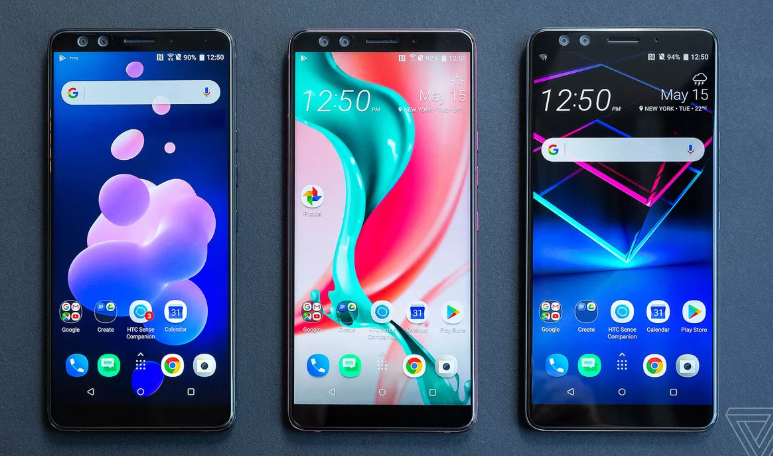
HTC U12 Plus has 3,500 mAh battery and also supports Qualcomm’s Quick Charge 3.0 fast charging technology which charges the smartphone from 0 to 50-percent charge in only 35 minutes. The smartphone comes with Edge Sense 2 system which the company refers to as “Live on the Edge”. This technology enables you to program your own shortcuts within apps for taps, holds, and squeezes of the phone’s sides.
Also read, HTC mobile chief resigns before the unveiling of company’s last flagship HTC U12.

HTC has featured 4 cameras on the U12 Plus with 12 MP (wide-angle lens, UltraPixel 4, 1.4um pixel size, f/1.75 aperture, OIS) and 16 MP (telephoto lens, 1.0um pixel size, f/2.6 aperture) dual camera setup on the rear of the smartphone. There is also a fingerprint scanner on the back along with the dual-camera setup.

HTC has featured 4 cameras on the U12 Plus with 12 MP (wide-angle lens, UltraPixel 4, 1.4um pixel size, f/1.75 aperture, OIS) and 16 MP (telephoto lens, 1.0um pixel size, f/2.6 aperture) dual camera setup on the rear of the smartphone. There is also a fingerprint scanner on the back along with the dual-camera setup.
Looking at the front side of the smartphone, U12 features a two 8 MP cameras (1.12um pixel size, f/2.0 aperture, 84-degree wide-angle lens) for selfie lovers. The smartphone comes with Android 8.0 Oreo skinned with HTC’s Sense UI over the top.
The smartphone also has IP68 certification for water and dust resistance. The audio department of the smartphone features HTC BoomSound, Hi-Res Audio recording along with 3D audio with 4 microphones.
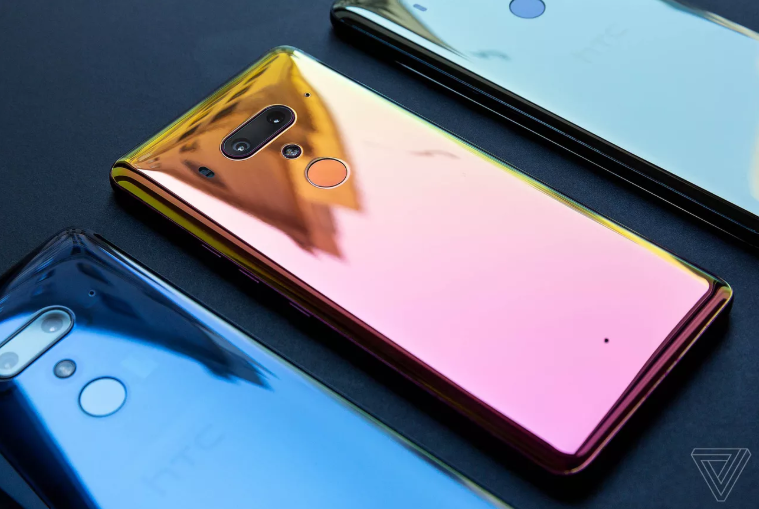
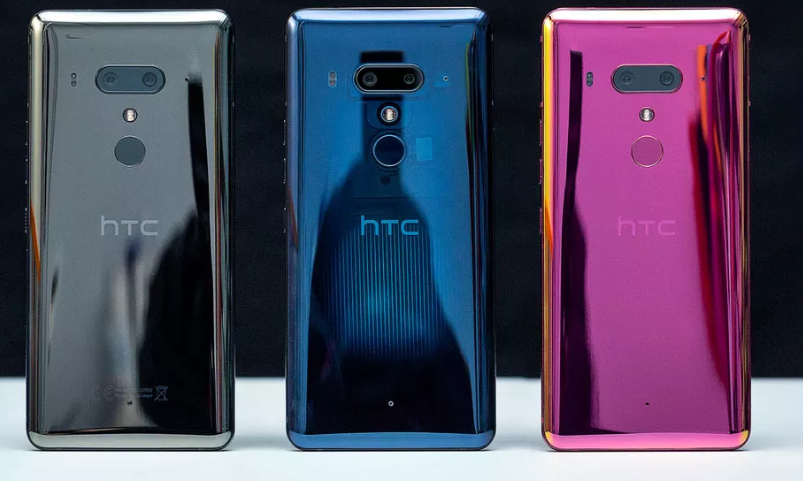
HTC U12 Plus comes in three beautiful colors Ceramic Black, Flame Red, and Translucent Blue. The Translucent Blue offers a see-through glass back which exposes the technology inside your phone to the world which is pretty darn cool. The smartphone will be priced at $799 (PKR 80,000) with 64GB and $849 (PKR 85,000) with 128GB of storage. There is no word when the latest flagship of HTC will come to Pakistan.
HTC U12 Plus comes in three beautiful colors Ceramic Black, Flame Red, and Translucent Blue. The Translucent Blue offers a see-through glass back which exposes the technology inside your phone to the world which is pretty darn cool. The smartphone will be priced at $799 (PKR 80,000) with 64GB and $849 (PKR 85,000) with 128GB of storage. There is no word when the latest flagship of HTC will come to Pakistan.
Did you like the latest HTC U12 Plus? Let us know in the comments below.
-image courtesy The Verge.
Comments
Post a Comment